
Last summer at Columbia, I spent three weeks studying environmental science with an emphasis on sustainability. We studied ecosystems, renewables, biodiversity, the impact of climate change, and food systems. I really enjoyed it.
This summer at Penn feels entirely different.
As opposed to studying the problems associated with the environment, we spent two weeks on an even more difficult question. Once we have identified that there is a problem…how does one solve it?
This was essentially the underlying theme of the entire course.
We studied the history of environmental law, the creation of the EPA, legislative action by Congress regarding environmental policy, agency regulations from the EPA, and even the role of courts in environmental law. We discussed famous environmental accidents like Love Canal and the Cuyahoga River fire. Not just to appreciate the historic nature of these events, but also because many of our current environmental laws are a result of these accidents. One of the main lessons from Professor Lisa was that our approach to environmental law is often reactive; we typically have to have a disaster happen before we can make policies against it.
In the span of two weeks, we discussed a wide variety of topics ranging from Superfund cleanup sites, the Endangered Species Act, the Clean Water Act, wetlands, climate negotiations, renewable energy, environmental justice, PFAS, lead pollution, and even engaged in our own mock international climate negotiations. Throughout the process, it was apparent to me that environmental policy is not only about safeguarding nature but rather a delicate balance between science, economy, politics, public opinion, and human health.
Professor Joseph Lisa was the driving force behind the class that he taught. One can feel his passion for teaching in the way he presents the material. Each class somehow ended up becoming a discussion more than a slide presentation. He had a unique ability to break down very complex legal or policy issues without diluting the information. Furthermore, he was challenging us to think rather than giving us answers and by the end of each class, I was coming up with new questions.
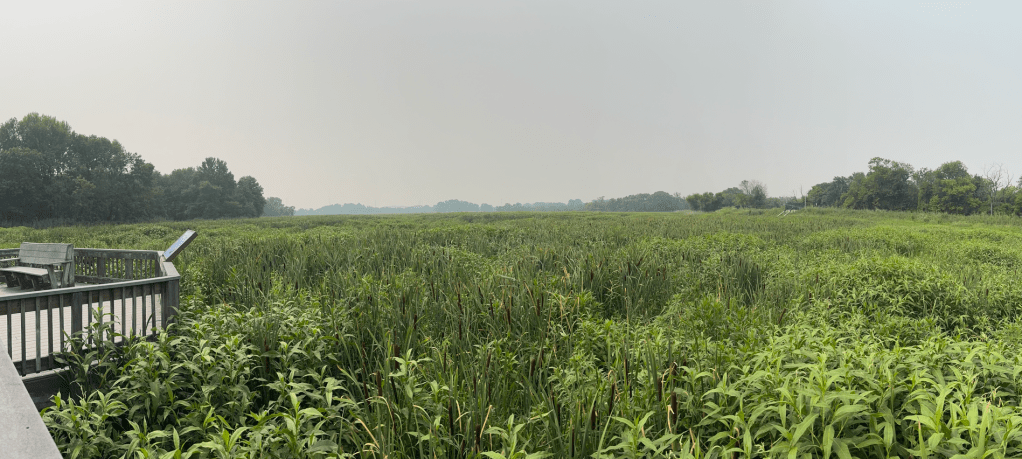
One of my favorite days was visiting John Heinz National Wildlife Refuge. After spending several days talking about wetlands in class, it was really rewarding to finally stand in one. We talked about why wetlands matter for biodiversity, flood protection, and water quality, and seeing those ideas outside the classroom made them much more tangible. It reminded me that environmental policy isn’t just paperwork. Every law and regulation is ultimately trying to protect places like this.
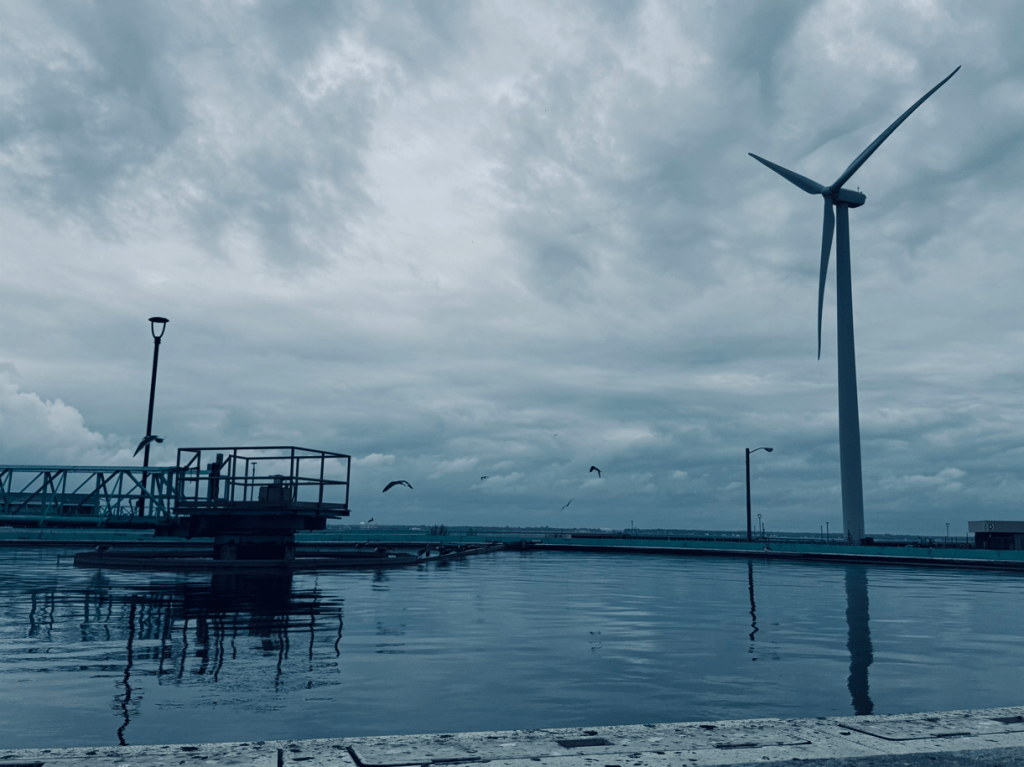
A few days later we toured the ACUA wastewater treatment plant and wind farm. Before this trip, I had honestly never thought much about what happens after water disappears down a drain. Seeing the entire treatment process made me appreciate how much infrastructure quietly works in the background every single day. The wind farm added another layer by showing how renewable energy can become part of that same system. It was one thing to read about wastewater treatment and renewable energy in class. It was another thing to actually walk through the facilities ourselves.
The capstone centered around an AI data center to be built in Philadelphia. It appeared to be an environmental topic at first, but very soon our research became much more complex. AI data centers create jobs and push innovations, however, they consume tremendous amounts of electricity and water and bring extra burdens to the local community.
Our team’s suggestion was to build such a facility but under strict environmental requirements. We suggested the criteria for the use of renewable energy, energy efficiency, carbon emissions, environmental impact assessments, water usage, and community benefits. Instead of choosing either technology or environmental protection, we wanted to come up with a policy that would accommodate both.
In retrospect, I believe this is what made our program unique. Environmental science usually deals with a question of what is going on, whereas environmental policy tries to find an answer of what needs to be done about it.
And sometimes these are two completely different questions. I entered the University of Pennsylvania hoping to learn more about the climate change issue. Instead, I got much more educated about people, governments, compromise, and how hard it is to translate great science into effective policy.
It was challenging, eye opening, and genuinely inspiring. I’m incredibly grateful to Professor Lisa and everyone I met over those two weeks. I don’t think I’ll look at environmental issues the same way again.


Leave a comment