Unwrapped Earth

designing a sustainable future

  • The past few weeks have felt dense – not necessarily louder than before, just fuller. More conversations, more ideas taking shape, more reminders that sustainability work doesn’t only live in big projects or polished outcomes. A lot of it happens in meetings, in questions that linger, in noticing systems you didn’t see before.

    Energy You Don’t See (Until You Look)

    Back at school, Project Green has continued to implement our compostable cups initiative, but we’ve also recently started something new, something completely different: energy conservation. Now looking at sustainability through a completely different lens, my motivation for reaching out to my school’s facilities team earlier this year to better understand how students could get involved with the existing sustainability initiatives that were happening behind the scenes has allowed for our club to get involved. Based on my first conversation with them, several meetings transpired focusing not only on ideas, but also on things that could potentially happen.

    Within these meetings was the start of an idea called a Plug Load Survey. The objective of this survey is to determine the usage of devices used at the school that continue to utilize electricity while they are not being actively used (e.g., computers, printers, vending machines, lab equipment, etc.). Some of these devices remain plugged in overnight, during weekends and during long breaks. With assistance from Cenergistic and our school’s facilities team, we hope to categorize and/or evaluate energy waste via the results of the Plug Load Survey.

    One of the things that I appreciate about this project is its focus on data collection and the fact that it is not a “loud” project or a campaign that relies on posters and other forms of advertisement to make people aware of the program. It is about educating individuals on energy waste and for individuals to become aware of and accept that energy waste is a form of waste as well.

    Listening to the Sound That Surrounds Us

    In December, I attended another meeting of the Mamaroneck Sustainability Collaborative, but this one has stuck out to me. This meeting featured Save the Sound, a local nonprofit organization that works to protect Long Island Sound through the collection and analysis of water quality samples from more than 200 Long Island Sound beaches, with the results of the analysis used to assign grades to the water quality of each beach based on the level of bacteria present and overall environmental health. It is astounding to know that millions of beachgoers are swimming in the same water that has been continuously sampled, studied, and protected and defended, and the work has been going on behind the scenes since before many of us were born.

    What really struck me was not only the science of Save the Sound but also the way that it appeared to connect all the issues impacting the Long Island Sound. Wastewater, stormwater runoff, lawn fertilizers, flooding, and climate change are all related and interconnected in many respects. One of the proposals discussed was providing financial incentives to homeowners to reduce the amount of impervious surfaces around their homes – driveways, patios, and anything else that may prevent water from soaking into the soil—since stormwater runoff is one of the primary sources of pollution in the Long Island Sound. I found it refreshing to realize that environmental protection can sometimes start with small, simple changes rather than large-scale, dramatic policy changes; in fact, at the December meeting, the group spoke about policy and how communities can help shape policy at the local, state, and national levels and what they can do to help their local communities, including helping with local decision making, and the far-reaching effects of every local decision made by the community. I felt fortunate to have had the opportunity to attend the meeting and to get to meet some really passionate collaborators doing really important work to protect the Long, Island Sound and its ecosystems. I was the only student in attendance at this meeting.

    Learning With (and from) Other Young People

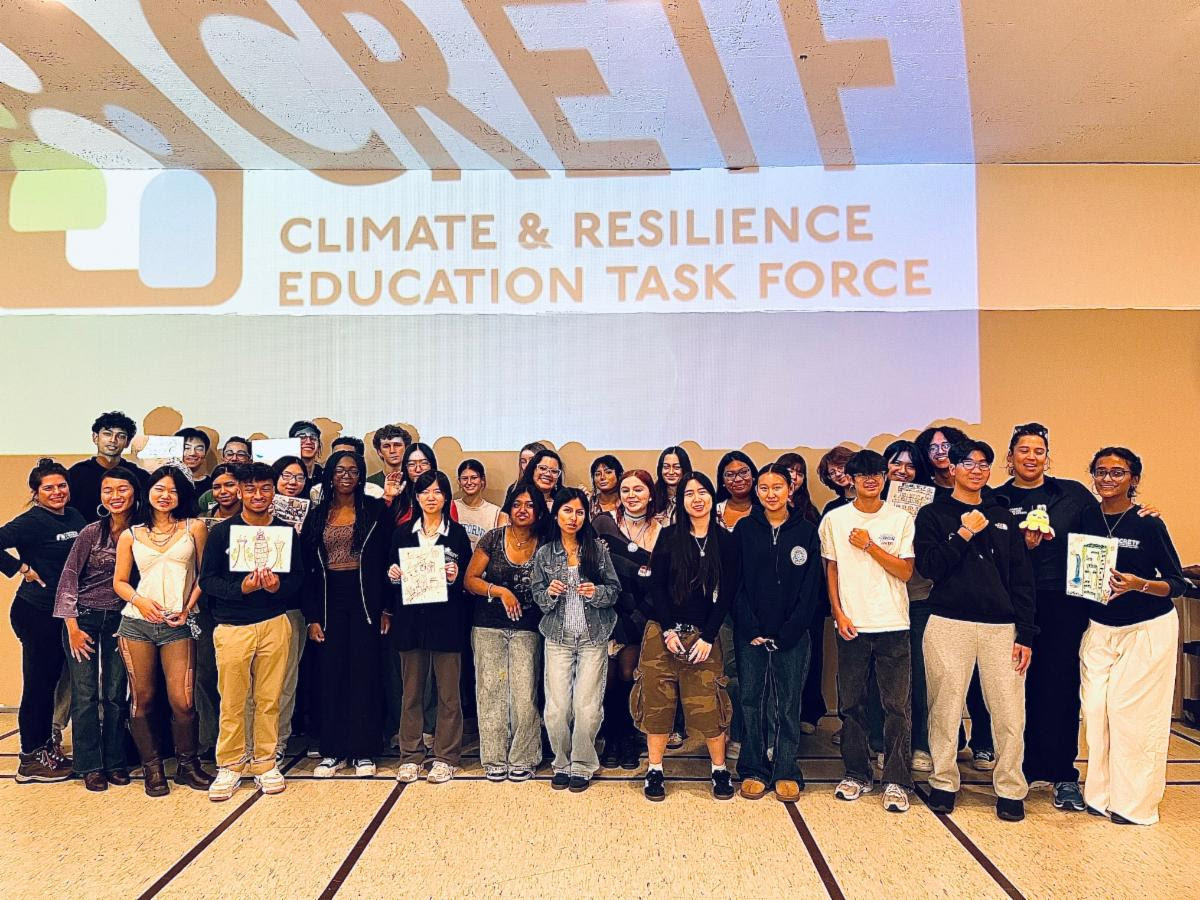
    Throughout the month of December, I continued my weekly meetings with the Youth Steering Committee of the Climate & Resilience Education Task Force. One of our recent meetings was a very interesting one – we were joined by Dr. Diane Pataki, Chief Scientist for the National Wildlife Federation, who spoke about her own journey through science, academia, and non-profit organizations, showing that careers in climate change are not limited to a single road; instead, there are many paths that one can follow and all of them can lead to success.

    Dr. Pataki focused on how important solutions and communication are in the world of climate change. She explained how there are significant differences between misinformation and disinformation, as well as some ways that fear-based methods of messaging could be detrimental. Working in the field of climate change is not simply about being able to present research and statistics to support an idea, but rather about establishing mutual understanding and trust, creating clear and concise messages, and building bridges with others to ensure successful collaboration.

    Finding Nature in Unexpected Places

    Over break, I visited the New York Botanical Garden and saw the Holiday Train Show. Miniature trains weaving through detailed replicas of New York landmarks, surrounded by living plants – it was playful, but also strangely profound. The exhibit blends engineering, design, and ecology in a way that feels accessible and joyful. It reminded me that environmental spaces don’t always have to feel serious to be meaningful. Sometimes wonder is what draws people in first.

    Where I Am Right Now

    Junior year has been intense. Submitting my independent research project in early December felt like finally setting something heavy down – a huge relief. With that weight lifted, I’ve been thinking more about what I want to return to: volunteering, community work, and finally making progress on the digital walk book for the trails at the local environmental center. I’ve visited Sheldrake again recently, and being back there reminded me why I wanted to work on that project in the first place – making nature feel more accessible, especially to people who might not know where to start.

    I won’t pretend I’ve had time for everything I love. But this break has been restorative. Time with family. Movies that linger after the credits roll. Sitting at the piano again, creating music without a deadline attached. Reconnecting with parts of myself that sometimes get pushed aside during the school year.

    I’m still learning how to balance ambition with rest. Still figuring out how to care deeply without burning out. But right now, I feel grounded – attentive to the systems around me, and to myself.

    And that feels like progress.

    Looking Back

    Looking back on the year, I see patterns I didn’t notice in the moment. At the start of 2025, I was driven mostly by curiosity – learning the science behind sustainability, exploring different paths, and trying to figure out where I fit. Over time, that curiosity turned into action: research, community meetings, school initiatives, and conversations that pushed me to think beyond individual projects and toward systems as a whole. I started noticing how the same questions show up at every scale – in classrooms, in schools, in towns, and in the natural spaces that surround us. Somewhere along the way, sustainability stopped feeling like something I did and started feeling like something I carry with me. As this year comes to a close, it feels less like an ending and more like gathering momentum – taking what I’ve learned, the relationships I’ve built, and the habits of paying attention, and carrying them forward into whatever comes next.

  • It’s been a while since I’ve written here.

    The start of junior year arrived like a tidal wave – SAT prep, harder classes, college talk starting to hum in the background – everything suddenly felt louder, faster, closer. I’ve been tired. I’ve been overwhelmed. I’ve been trying to find my footing in the middle of it all. But even as life got hectic, the work that grounds me – sustainability – hasn’t faded into the background. If anything, this year has only deepened my sense of purpose.

    Project Green – Back to Work

    Project Green is off to a strong start – we’ve actually had a lot of new members join, which feels really energizing. We’re planning another library reading event for younger students – something joyful. This time, though, we want it to feel more hands-on. We’re thinking of setting up a little coloring station with that can relate to something we’re reading about – something simple and tactile that lets kids engage rather than just listen. There’s something grounding about crayons and quiet conversation; it makes sustainability feel less like a lesson and more like a shared experience.

    Our compostable cups initiative has also continued to grow. Last year, we pushed for compostable cups for the water fountains after realizing how much single-use waste piles up in a day. Now, we’re working on expanding student awareness: Yes, the cups are compostable – but only if they’re actually composted.

    On Global Citizenship Day, we presented to multiple classes about what our club does, why compostables matter, and what climate change means on a personal scale. We wanted the presentation to be more than just talking at people, so we ended each session with an interactive Gimkit game. It was genuinely fun – the kind of loud, competitive, laughing type of fun that makes you forget you’re “learning.” But in those moments, students were actually recalling what we had just discussed – sorting compost vs. landfill items, understanding why compostables need proper disposal, thinking about personal sustainability habits. It turned into a huge success because the game didn’t just test knowledge – it helped the information stick.

    New Voices, Bigger Conversations

    This fall, I also joined CRETF’s (Climate and Resilience Education Task Force) Youth Steering Committee – a state-wide program bringing together students who care about sustainability and climate resilience. Our launch meeting was in person – which I’m really grateful for – because it gave me the chance to meet other students who care about climate work as much as I do. There was something reassuring in realizing I’m not doing this alone; there are other people my age who worry and are passionate about the same things that I am. The rest of the sessions will be online, so that first meeting felt especially meaningful – faces, voices, & laughter. It made the whole thing feel less like a program and more like a community.

    Our second session focused on defining our “climate identities.”
    Who are we in this movement?
    Where do we come from?
    Why do we care?

    We also talked about policy, politics, and how local elections – even something like the New York City mayoral race – ripple into real lives. These conversations made climate work feel less abstract and more human. Climate change isn’t just science – it’s memory, identity, and what we choose to fight for.

    Learning From My Town

    In September, I went to my town’s Sustainability Collaborative meeting. It was… a lot. Policy plans, funding, sanitation issues, tree canopy restoration, EV chargers, flood management. But beneath all the details, the conversations kept coming back to one idea:

    How do we create a community that is livable, resilient, and fair – not just now, but decades from now?

    I shared that the Collaborative’s website, while informative, wasn’t reaching people – especially students. I suggested making it bolder, more visual, more action-oriented. Something that doesn’t just inform, but invites. The adults in the room didn’t just nod politely – they genuinely listened.
    That surprised me. And encouraged me.

    A School Behind the Scenes

    Lastly, I met with our school’s facilities team to talk about how students and staff could collaborate more closely. One thing we discussed was how students, especially those in Project Green, could be more involved in the sustainability work happening behind the scenes. A lot of people don’t realize how many small, invisible decisions go into keeping the school running – reducing water usage, adjusting heating schedules, managing flooding around the building, tracking energy consumption. We talked about finding ways for students to actually see this work – through walkthroughs, shared data, or even student-led awareness projects – so sustainability doesn’t feel like something happening somewhere else, but something that students are directly connected to and responsible for. It made me realize that climate work at school isn’t just about new programs – it’s also about opening the door for students to participate in the systems that already exist.

    Engineers are adjusting drainage paths, studying runoff patterns, planning long-term fixes. And alongside all of that, we are working with Cenergistic, which has helped the district cut energy use – lowering emissions equivalent to over 483 metric tons of CO₂ and saving enough energy to power 172 homes for a year.

    There’s this whole world of invisible labor, happening quietly behind the scenes, making our daily routine possible. I didn’t know that. Now I do. And I think more students should, too.

    Still Here

    I won’t pretend I have perfect balance figured out. I still get extremely tired. At times, I feel like the world is collapsing onto me – I still feel like I’m doing too much and not enough at the same time.

    But every conversation, whoever it may be with or involve, reminds me that sustainability is not a hobby or a club activity. It’s a lens. A way of living. A way of paying attention.

    Even in the chaos of junior year, I don’t feel like I’ve let that part of me go.

    If anything – I’ve grown into it more.

  • Last week, I walked into my first-ever meeting of my town’s Sustainability Collaborative. I’d been orbiting around this group for a while – back in the spring, I reached out to the chair of the collaborative and basically asked, “Hey, I want to be more involved in our town’s sustainability efforts. Where do I start?” That email eventually landed me here, in a room full of people who have been working on sustainability issues in our community for years.

    It was a bit surreal. These weren’t just volunteers planting flowers on the weekend (though that’s important too) – they were the ones figuring out how to get state-level recognition for the town, how to replace outdated infrastructure with cleaner, greener options, how to weave sustainability into housing plans, transportation, and public spaces. The kind of work that quietly shapes the way we live, without most people ever realizing it’s happening.

    Right now, the big news is that our town has reached Silver status in New York State’s Climate Smart Communities program. That’s kind of like the environmental Olympics, but instead of medals for speed or strength, you get them for things like reducing emissions, protecting green space, and building climate resilience. Silver means we’re officially doing a lot right – and it also gives us a better shot at grants and funding for future projects. They’re saving the press release for September, when they plan to invite the NYS DEC Commissioner to celebrate.

    But the meeting wasn’t just about patting ourselves on the back. People were throwing out ideas for many things: how to make it easier for residents to get updates on sustainability efforts, how to better enforce existing environmental rules, how to tackle long-standing noise and pollution problems in certain areas. Every topic seemed to have a mix of quick fixes and big-picture solutions.

    Some of the conversations looked far into the future – reimagining old spaces to be cleaner and more functional, making town centers more walkable and community-oriented, and finding creative ways to connect climate goals with everyday life. It felt like every discussion had these threads of possibility – the kind of ideas that, if carried through, could make the town feel totally different in ten years.

    The big, forward-looking topics:

    • What should we do with the land once our town’s old incinerator is demolished? Could it become a solar hub?
    • How can we rethink a main road to make it more walkable and friendly for mixed-use development?
    • Could the town park be expanded, while also fixing local flooding and creating new housing options?

    I even got introduced during the meeting: a high school student, member of the Project Green Club, writer for Sheldrake Environmental Center, and someone interested in how sustainability and technology (even AI!) can work together. I had talked with their chair of the collaborative about another initiative involved with Sheldrake, since I already volunteer there: about possibly updating an old “Walk Book” guide for Sheldrake’s trails and native plants and wildlife – which feels like a perfect collision of my interests.

    What really struck me was how many moving parts there are in making a town more sustainable. It’s not just “plant more trees” or “install solar panels” – it’s balancing budgets, updating decades-old infrastructure, convincing state agencies to help, getting residents to actually read the emails you send them. It’s messy, layered, and surprisingly human.

    By the time the meeting wrapped up, I realized this wasn’t just a room full of local officials and volunteers – it was a kind of ecosystem, each person with their own piece of the puzzle, all working toward the same idea: a town that’s healthier, greener, and better for everyone who lives here.

    And now… I guess I’m part of that ecosystem too.

  • I’ve been playing the piano and cello for as long as I can remember – classical music mostly, though I’ve been trying to play some of the hit songs that I enjoy listening to recently. There’s something about those instruments that to me is like a conversation, like storytelling without words. Brahms, Mozart, Chopin, Rachmaninoff, the way their notes sound – it’s rather comforting. But I’m also the kind of individual who’s enthusiastic about listening to every kind of music. Pop, rap, hip-hop, indie – I soak up the differences, the vibe, the manner in which the voices sing along and the rhythms make me stand up and dance.

    This past summer, I came across a free Coursera course titled Music as Biology: What We Like to Hear and Why. It’s an online course, so I could complete the lessons & modules at my own pace, which was perfect for me to fit into my schedule whenever I wanted. I should note, this isn’t a typical music theory class – it doesn’t teach you how to recognize pitch and intervals, voice leading, or all the different types of chords in music. Instead of analyzing music as art, it does so from a biological and scientific perspective, studying why we like certain sounds, how our bodies and brains respond to music, and what music reveals about being human. What I was surprised by was how deeply it would make me think about listening to music – not just noise, but as something alive, something biological. What I did not expect was just how deeply it would change the way I hear music – not just as sound, but as something that breathes.

    I learned that my ears are magic translators. They don’t just register sound – they break it down, sort it out into tone, pitch, loudness, and timbre. Timbre is what makes a trumpet sound like a trumpet, and a piano sound like a piano, even if playing the same note. It’s the unique colors in the sound – the subtle vibrations that give each instrument its own personality.

    The one thing that blew my mind was how music and speech are cousins. The rise and fall of a melody is merely an imitation of how we talk, how our voices convey emotion. That’s why a major scale can be happy and upbeat, like a laugh, and a minor scale can be sad or stressful, like a sigh. Music is not sound – it’s the shadow of human emotion.

    I learned about the harmonic series, how it’s a natural phenomenon that explains why some notes harmonize well. And tuning systems – why equal temperament pervades music today. It’s a compromise, a way of making things sound nice no matter what key. It’s math and biology, wrapped up in the sounds we love.

    What’s crazy is how universal these are. Other cultures, other instruments – but all of us hear the same patterns, the same scales, because our brains are structured that way. Music is biology and culture, both concurrently working together.

    And the emotions! Hearing music puts dopamine into my brain – the same stuff that lets chocolate or laughter make me happy. When I hear a sad Mozart piece in a minor key, it doesn’t merely sound sad, it feels sad. I discovered music uses the same emotional language we use day to day, in voice and song, all around the globe.

    This class made me think in ways beyond human music, too. There is sound all around nature – birds singing, whales vocalizing, insects buzzing. They utilize sound to live, to communicate. Our music is included in that rhythm, included in the beat of the world. It’s a reminder that biology isn’t just in the laboratory or the woods – it’s in the songs that touch us.

    As someone who loves the environment, this was like discovering a new bridge between two parts of myself. Music and nature both hold patterns, cues, stories to be told. Science reminds me of the unseen strings that connect the music I play and listen to, with the world I adore. For me, photography, as with music, is a form of art – capturing the hidden moments, the feelings, and the quiet sensuality of this world. I catch light and shadow through the lens as music catches sound and emotion. Both remind me how intertwined art and science are and can assist us in getting to know and appreciating the intricacies of life surrounding us.

    Now that I get to hear the music that I love, or play the piano, I feel like I’m part of something bigger – a living breathing system of sound and emotion and life.

    Music is not notes or noise. It’s biology. It’s culture. It’s feeling. And it’s in all of us – “the universal language of mankind”, as some say.

    This summer, I’m not just hearing – I’m learning to feel the science behind the rhythms that define me.

  • As I mentioned in previous posts, I took Columbia Precollege Program’s Environmental Studies: Designing a Sustainable Future course this summer – a three-week deep dive that completely shifted my mindset.

    Our classroom wasn’t dark – but it was old. High ceilings, old, wooden lecture-style chairs, chalkboard walls. And the AC? Blasting like we were trying to refrigerate the entire building. It was freezing in there. Every single day. Our professor, Nicola Barratt, would mention how unsustainable it was – wasting electricity just to make students shiver in July. That kind of thing stuck with me. It wasn’t just a throwaway comment. It was a glimpse into how deeply she believed in practicing what she preached. Even though she lived in America, where air conditioning is just part of everyday life, she chose not to install one in her home – fully aware of the negative environmental impact. That kind of commitment showed me how deeply passionate she was about the cause. From the very first day she shared this with us, I knew I was in for a ride for the next three weeks.

    Each week of the course focused on a different theme: energy, food & water, and biodiversity. But it never felt like a traditional science class – it felt like a reality check. We started with the basics – how our energy systems work and how broken they are. I had never really thought about how inefficient fossil fuels are until we mapped out how much heat just… disappears into the air. We dove into renewables: solar panels, wind turbines, hydro, geothermal. We learned the pros and cons, the infrastructure challenges, and the science behind how they work. Nuclear fusion came up too – super cool in theory, but still stuck in the future. We learned that using hydrogen fusion for energy means turning hydrogen into plasma by heating it to millions of degrees and using powerful magnets to hold it in place. This process needs extremely high temperatures and pressure, and though promising, it’s still very expensive and not practical yet. Scientists think it could be feasible in the next few decades if technology improves and international cooperation increases.

    Food and water systems were next. I used to think organic just meant “better,” but the truth is way more complicated. Industrial farming, monocultures, irrigation, fertilizer runoff – we broke it all down. We talked about water insecurity, not just globally but even in places like the U.S. where you’d assume it’s not an issue. (Spoiler: it is.)

    And then biodiversity – probably my favorite topic. We learned about keystone species, ecosystem services, coral bleaching, invasive species, deforestation. It hit me how interconnected everything is. Take one thing out of balance, and the whole system shifts. Sometimes forever.

    We had incredible guest speakers too, like Mr. Ntiokam Divine, one of the founders of the Climate Smart Agriculture Youth Network based in Cameroon. He came in person – he was in town for a NATO conference – and spoke to us about his non-profit and gave us some very impactful advice. What really stuck with me was his life advice: passion is what takes you to the next level. He explained the difference between skills and talents – workers develop skills, but leaders combine skills with talent and passion. Another powerful takeaway was the idea of “idle at Yes” – the default answer to new opportunities should be yes. Say yes, say yes, say yes.

    His story made his words even more impactful. Coming from an incredibly poor single-parent household, Mr. Divine grew up passionate about the environment despite never having formal education in environmental studies. He followed that passion and eventually founded a non-profit that has now expanded globally. Despite the lack of traditional schooling, he’s built genuine connections with people worldwide and achieved remarkable success. Along the way, he faced friends who abandoned him, doubting his vision and potential. His advice? “Run away” from those types of people – they’ll never help you get far. I found his story incredibly inspiring and a true testament to the power of passion and resilience.

    His passion and optimism were contagious, and the advice felt genuinely applicable – not just for careers in environmental work, but for life in general.

    Throughout the duration of the course, Professor Barratt assigned us to read Hope Dies Last by Alan Weisman. It’s a powerful book about the challenges and possibilities of building a sustainable future. From pages 31 to 43, Weisman lays out four “miracles” we need:

    • Preserve Biodiversity: protecting the variety of life on Earth keeps our planet healthy and balanced.
    • A New Green Revolution: combining old farming wisdom with new technology to grow more food on the same land, like how India quadrupled its rice output.
    • Controlling Overpopulation: stabilizing population by lowering birth rates to about 2.1 children per woman through education and healthcare improvements.
    • Energy for All: ensuring everyone has access to clean, reliable energy for electricity, transportation, and heating, which is vital to reduce poverty and fight climate change.

    The book also introduced me to fascinating innovations like nitrogen fixation by microbes, which plants rely on to get nitrogen from the air; growing food from air and electricity using microbes – no soil or sunlight required; and the surprising fact that plastics and food are made of the same basic elements (carbon, hydrogen, oxygen), just arranged differently. These microbial foods could help solve hunger and reduce pollution by cutting the need for traditional farming.

    Reading Hope Dies Last didn’t just inform me – it inspired me. It showed that solutions come from science, technology, and everyday people making thoughtful choices.

    This course wasn’t designed to scare us. It was meant to empower us. Professor Barratt taught with so much heart and urgency, and every discussion felt like it mattered. We weren’t just learning about sustainability – we were learning to think sustainably, ask better questions, and connect daily choices to global systems.

    Reflecting on the experience, I realize it’s not all about the content and information you learn, but the relationships you build – especially with the friends I made in the class, who came from all over the world and country. The general life advice given by Professor Barratt and guest speakers like Mr. Divine was just as valuable as the academic lessons. Professor Barratt is a connection I won’t ever forget and may be a great mentor and source of knowledge in the future. It surprised me how knowledgeable one person can be – she has lived all around the world, including Africa, and shared so many insightful stories from places like Madagascar, always connecting them back to what we were learning in class.

    If you’re a highschooler even remotely interested in the environment, I’d recommend this course in a heartbeat. And definitely the book. Stay curious. Because the truth is, we’re all part of this. Whether we decide to look away or step in – that’s up to us.

    And yeah – hope does die last. But as long as it’s alive, there’s work to do.

  • Every summer leaves a few memories that really stick with me. Sometimes it’s a weird airport experience, sometimes a great sunset, sometimes making an unexpected friend, sometimes – apparently – it’s pulling population data to understand rainfall patterns in Maui.

    Last year, during my sophomore year, I joined the TOPS School Open Science Team, working under Professor Kytt MacManus, Juan Martinez, and Professor Antonio Tovar on a project that at first seemed way beyond me. “TOPS” stands for NASA’s Transform to Open Science, and the full program name is Science Core Heuristics for Open Science Outcomes in Learning (SCHOOL) – but what that really means is making science something more collaborative, transparent, and accessible to everyone. I got the chance to help build a learning module that used open data tools to investigate a real environmental event.

    Our project had a big name: Flood Watch Report: Maui Heavy Rainfall Analysis Using Census API. At first, I thought research was always about finding answers. But the Maui lesson wasn’t about answering a specific question. The point was to demonstrate, share, and democratize powerful tools so anyone – researcher, college student, or curious high schooler – could use Open Science and Open Source resources for their own investigations. If you’re curious, the project homepage is linked here. It shows how science can be open and collaborative through a variety of case studies, the Maui Flash Flooding that I worked on being one of the many in the “disasters” module of this big project.

    My working group’s focus was on an extreme rainfall event in Maui in January 2024. Our goal wasn’t to solve the entire problem – it was to demonstrate how publicly available data and simple tools can help people better understand and respond to disasters. My role involved using U.S. Census data to look at where people live on Maui and how those areas aligned with rainfall patterns. That meant figuring out how to request very specific data from large government datasets – a process that sounded complicated at first but became more manageable as I got deeper into it. One of my main jobs was to pull population data for census tracts in Maui using something called a Census API. At the start, I didn’t even know what an API was – three letters that sounded intimidating and super techy. But it turns out, an API, or Application Programming Interface, is basically a way to ask a giant online database for the exact info you need and plug it straight into your coding project – kind of like asking a librarian for exactly the right book instead of searching the whole library yourself.

    There were definitely frustrating moments. Sometimes things didn’t load properly. Sometimes the data didn’t match up the way I expected. But as I kept working, I slowly began connecting the dots – learning how to pull geographic data, match it with population statistics, and visualize it all on a map. Along the way, I also learned how to use GitHub and Visual Studio Code, tools that helped me organize the code and collaborate with the team efficiently. It was incredibly satisfying to see those visualizations take shape, not just because they looked cool, but because they told a story. A story about where people live, where the rain hit hardest, and what that might mean for disaster planning and emergency response.

    One of the best parts of the experience was that it wasn’t just about learning – it was about creating something others could use too. I got to help write and shape an actual open lesson that walks people through the process step by step. That’s what open science is all about: making tools and knowledge freely available so others can build on them. If you want to check it out, here’s my working group’s page (Flood Watch Report: Maui Heavy Rainfall Analysis) that I worked on.

    This project also connected to my growing interest in using technology to solve real-world environmental problems. Last summer, I worked on sea level rise through a program at Fordham University that focused on how AI could be used for public benefit. I created a project on using AI to help detect sea level changes in NYC. Since then, I’ve been especially interested in how tools like AI and open data can be used for the environment – not just as buzzwords, but as real, useful instruments for research and awareness

    I reached out to Professor Kytt MacManus early in my sophomore year, and I’m incredibly thankful he introduced me to Juan Martinez and this project. Now that the TOPS School project has officially come to an end, I’m writing this reflection with a lot of gratitude – for the opportunity, the mentorship, and what it means going forward. It reminded me that meaningful research doesn’t always require a lab coat – it sometimes just takes curiosity, persistence, and the willingness to learn new tools.

    This summer, I was also on Columbia’s campus for the Environmental Studies pre-college program that I have previously mentioned, and it was honestly so special to finally meet Professor MacManus and Juan in person instead of just Zoom meetings, phone calls, and emails. Getting a tour of the Mudd building and seeing the labs where this work happens made everything feel more real and exciting. Although the TOPS SCHOOL program has now ended, it’s been a journey since then, one that I am incredibly grateful for.

    I came away from this understanding more than just how to navigate datasets. I saw firsthand how science can be more inclusive and open-ended – less about having all the answers, and more about exploring the right questions. Being part of that process made me feel like I wasn’t just learning about science. I was doing science.

    So here’s to confusing files, surprising insights, and maps that help tell important stories. And here’s to the inspiration this experience has given me – maybe someday, down the road, I’ll even write and publish my own research paper (of course, under the proper mentors & with the guidance), a meta-analysis on flooding. But if that happens, it’ll be a little while from now.

  • There’s something oddly satisfying about a good case study – digging into a problem, tracing the solution, realizing it’s kinda genius (or kinda flawed), and then sitting in a group and arguing about it in the most respectful academic way possible. That was a big part of my experience in the Columbia Precollege program taught by Dr. Nicola Barratt I attended these past few weeks, and honestly, it surprised me how much I liked it. Not just presenting my own projects, but hearing about everyone else’s. The energy in those discussions? Weirdly electric.

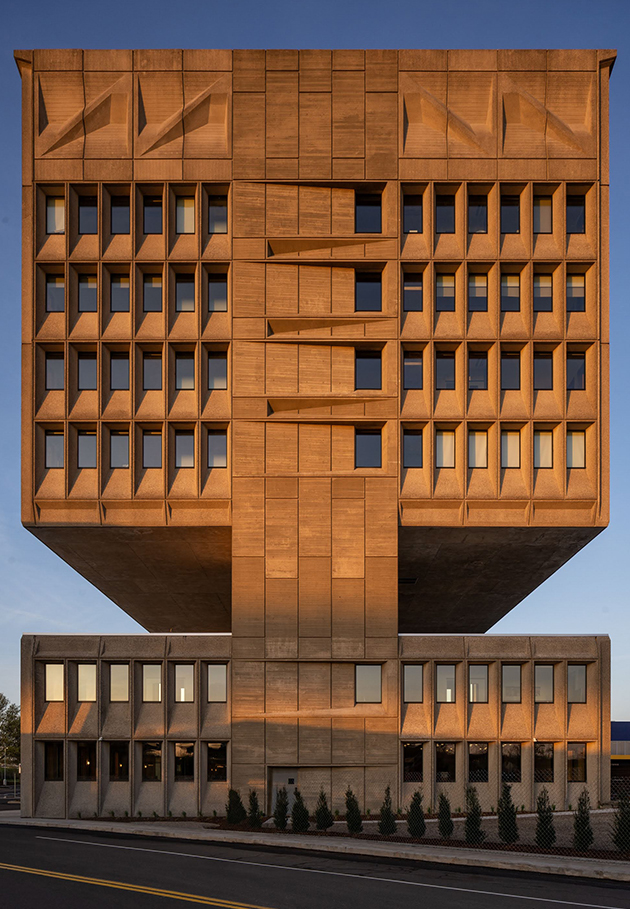
    My first case study was on Hotel Marcel, the first net-zero hotel in the U.S., and it felt like starting strong. I mean, this place is solar-powered everything, repurposed from an old brutalist building, and run on clean energy. It doesn’t even have a gas line. The more I learned, the more I realized how sustainable design could look sleek and smart – not just “eco.” Comparing it with stuff like The Edge in Amsterdam and even a whole city like Curitiba really showed me the scale of what’s possible. A building. A block. A whole city. It made me think about design choices not as compromises, but opportunities.

    Week 2 was all about water, food, and air, so I went with sustainable paper production, which… sounds boring at first. But then you realize how many trees we kill, how many habitats we destroy, just so we can write math homework or print out flyers we throw away two hours later. I looked into using FSC-certified wood and tree-free materials like hemp and bamboo. It was all about how changing materials and methods could change the whole game for ecosystems and emissions. Tree-free paper: who knew?

    But here’s where it got interesting. Other groups presented on stuff like New York City’s water supply, Love Canal, vertical farming, factory farming, and even mushrooms as meat (I know, it’s a vibe). Each one had this unique angle:

    • NYC’s water system is over a century old and still delivers water to 8+ million people, which is wild. But it leaks – a lot.
    • Love Canal was like an environmental horror story turned into a rallying cry for grassroots action and better policies.
    • Vertical farming looked futuristic and efficient, though super expensive.
    • Mushroom meat had everyone lowkey craving fungi burgers.
    • And factory farming reminded us that behind the cheap bacon is a laundry list of diseases, emissions, and ethical messes.

    Compared to those, my paper project felt like the “quiet kid” – not flashy, but steady. It wasn’t fighting wildfires or rebuilding an aqueduct, but it had this subtle importance. Like, changing the way we produce something so basic as paper affects forests, animals, and air quality without needing billion-dollar tech or government emergencies. Low drama, high impact.

    Then came week 3. ALERTCalifornia – my final case study – was pure sci-fi turned real. AI cameras scanning the forests of California to detect wildfires before they blow up into disasters. It’s proactive, smart, and honestly kind of beautiful. Saving lives and ecosystems with data? Count me in.

    What made this one feel even more personal was the fact that this wasn’t my first time diving into AI for good. If you recall, last summer I did a program at Fordham that was kind of like this Columbia one – but focused entirely on how AI could be used to benefit society. My project back then? Using AI to detect sea level rise around NYC and how that data could help prepare the city for flooding. So working on ALERTCalifornia this year felt like picking up where I left off, but with even more urgency.

    Since that Fordham program, I’ve found myself getting more and more into the idea of using technology – not just for convenience or cool gadgets – but to actually solve real-world problems. Especially environmental ones. Whether it’s smarter energy systems, wildfire prevention, or cleaner cities, I’ve started to realize that AI isn’t just a tool – it’s a bridge. Between science and people. Between problems and solutions. Between now and what’s possible.

    That week, other groups shared projects on things like green infrastructure, Mississippi River Delta restoration, and sustainable fishing. Some had huge budgets (like $50 billion), others had trade-offs that made my brain hurt. One helped cities breathe easier but risked gentrifying neighborhoods. Another promised cleaner fishing but left communities struggling with stricter rules.

    What I’ve realized from all this is: there’s no perfect solution. Every “yes” comes with a “but.” Every win for the planet can be a loss for people – or at least, some people. It’s all about balance.

    So if Hotel Marcel taught me that sustainable design is possible, and paper production showed me that the little things matter, ALERTCalifornia – and the AI projects I’ve been exploring since last summer – made it clear: tech is a tool. But humans still drive the outcome.

    Looking back, I’m glad I got to explore such different issues. From hotels to hemp, from fires to fungi, I’ve seen how messy and amazing this work is. And I’ve seen how all of it – very policy, plant, or platform – comes down to the same question:

    How can we live better with the world around us?

    Still figuring it out. But this summer gave me a few more clues.

  • “three weeks, two field trips, and one planet to protect

    This past month, I took a class called Environmental Studies: Designing a Sustainable Future at Columbia University’s Precollege Programs – taught by the incredible Dr. Nicola Barratt. I went in thinking we’d just be reading articles and building case studies. And sure, we did some of that. But what I didn’t expect was how real it would feel – how much I’d see, hear, and experience that stayed with me long after class ended.

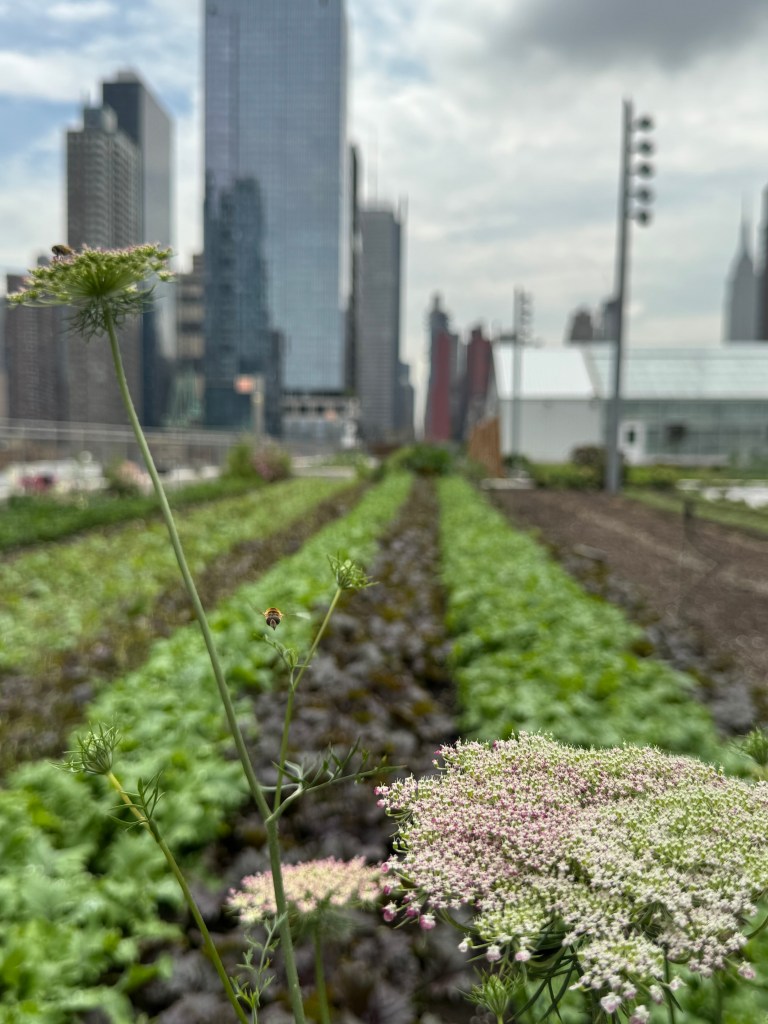
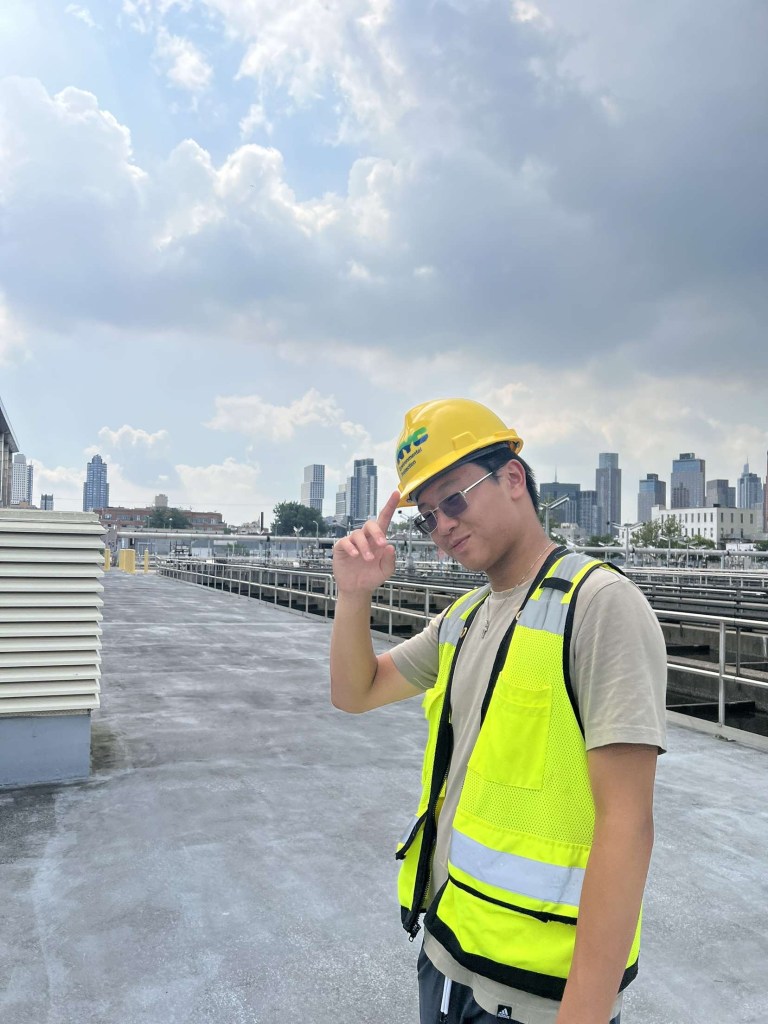
    Over the three weeks, we dove into the science and systems behind sustainability: food, water, energy, equity, climate policy. But the two field trips we went on – one to the Javits Center and one to the Newtown Creek Wastewater Treatment Plant – were what grounded it all. I’d heard words like “green infrastructure” and “resource recovery” before, but now I had actual images in my head. Giant anaerobic digesters. A rooftop orchard. Bees. Wastewater. Apple trees. Biogas. LED lights. All of it, tangled together in the story of how New York City is trying to live lighter on the planet.

    We also took walks around campus and outside of campus – sometimes to get outside and reset, other times to look more closely at the urban ecosystem around us. Our professor, of course, wanted these moments to meaningful, and introduced us to an app called iNaturalist. At first, I thought it was just a plant ID tool. But it’s actually so much more than that. With every photo you take – of a flower, a bug, a mushroom, a tree – you’re not just naming it. You’re submitting it to a global database of biodiversity. Your small moment of curiosity becomes part of something much bigger: a way to track species, monitor ecosystems, and support environmental research.

    The app changed the way I look at my surroundings. It slowed me down. Made me notice more. I started taking pictures of plants pushing through sidewalks, beetles on benches, lichens growing on forgotten corners of brick. And I wasn’t just observing – I was participating. Contributing to something meaningful, just by being present and paying attention.

    And in a strange coincidence (or maybe not a coincidence at all), I was added to the Sheldrake Environmental Center’s 2025 Backyard BioBlitz – a project where I’ll be using iNaturalist in a similar way to help support local research and documentation. As a Nature Reporter and volunteer at Sheldrake, this felt like such a full-circle moment. The BioBlitz encourages participants to photograph uncultivated nature – wild things that grow or move or land without human intervention – in places outside of Sheldrake itself, to help expand their research radius across my county.

    So whether I’m walking the city or wandering the woods in my town, I now carry this quiet intention: to document what I see, not just for myself, but for science. To learn what’s here, so we can protect it. And to help others do the same – one small observation at a time.

    Javits Center: A Different Kind of Skyline

    You don’t usually associate convention centers with sustainability, but the Javits Center changed that for me. On the outside, it looks like any other glassy building – but up top, there’s a green roof stretching across seven acres. It’s not just for show: this roof absorbs 80% of stormwater, houses more than 70 bird species, and doesn’t need much maintenance thanks to the sedum that grows there. There’s also a rooftop orchard with native plants, apple trees, and a greenhouse where even the lettuce is picked by request from the chef downstairs.

    What stood out to me most was how much had to change structurally to make all this possible. The building literally had to be redesigned to carry the weight of life – of soil, plants, trees, and the systems needed to support them. It made me realize that sustainable design isn’t just about “adding green” on top. It’s about rethinking the bones of a place so it can hold more life – and more purpose.

    Also: there are bee houses. Four of them. With European honeybees doing their thing among the flowers, right above the chaos of Manhattan.

    Newtown Creek: What Happens After You Flush

    The second field trip brought us to Newtown Creek – NYC’s largest wastewater treatment plant. I’m not going to lie, I didn’t expect to be inspired by sewer systems. But it was kind of incredible.

    This single facility treats 300 million gallons of wastewater a day. And what stuck with me is how invisible that process usually is. You flush, and it’s gone. But here, we walked through the steps – from the screening of giant debris to the tanks where bacteria break down organic matter, all the way to disinfection before the water is released again. It takes about 8 hours from start to finish.

    Then there are the anaerobic digesters – those futuristic silver domes that process sludge and food waste to create biogas. It’s this closed loop that turns “waste” into something valuable, cutting down on emissions and even giving energy back to Brooklyn. That kind of circular thinking felt really powerful. Nothing was wasted unless we decided to waste it.

    And again, sustainability didn’t just mean technology – it meant ecosystems. We talked about NYC’s water supply, fed by gravity through forests upstate. We saw how green infrastructure like rain gardens helps reduce sewer overflows and supports urban biodiversity. We even learned how clogs, known as “fatbergs”, (yes, from cooking grease) can trigger overflows that damage both city infrastructure and nearby ecosystems.

    The Bigger Picture

    In both trips, the message was clear: sustainability isn’t about doing one thing perfectly. It’s about doing a lot of things better – together. Stronger roofs, smarter waste systems, more thoughtful energy use, cleaner water, more green space, healthier cities. And most of all, it’s about designing with people and nature in mind, side by side.

    I used to think environmental design was mostly for architects and engineers. But this class showed me that storytelling, observation, and systems thinking are just as important. I’m learning how to think like a designer – not because I want to build buildings, but because I want to help shape ideas, questions, and choices that lead to something better.

    I’m grateful for the chance to study with Dr. Barratt and my classmates – all of us from different states and countries, coming together in one room to figure out what kind of future we want to design. And more importantly, how we want to design it.

  • Every few weekend mornings this summer, I’ve been heading into the woods – not as a camper or a hiker, but as a nature reporter.

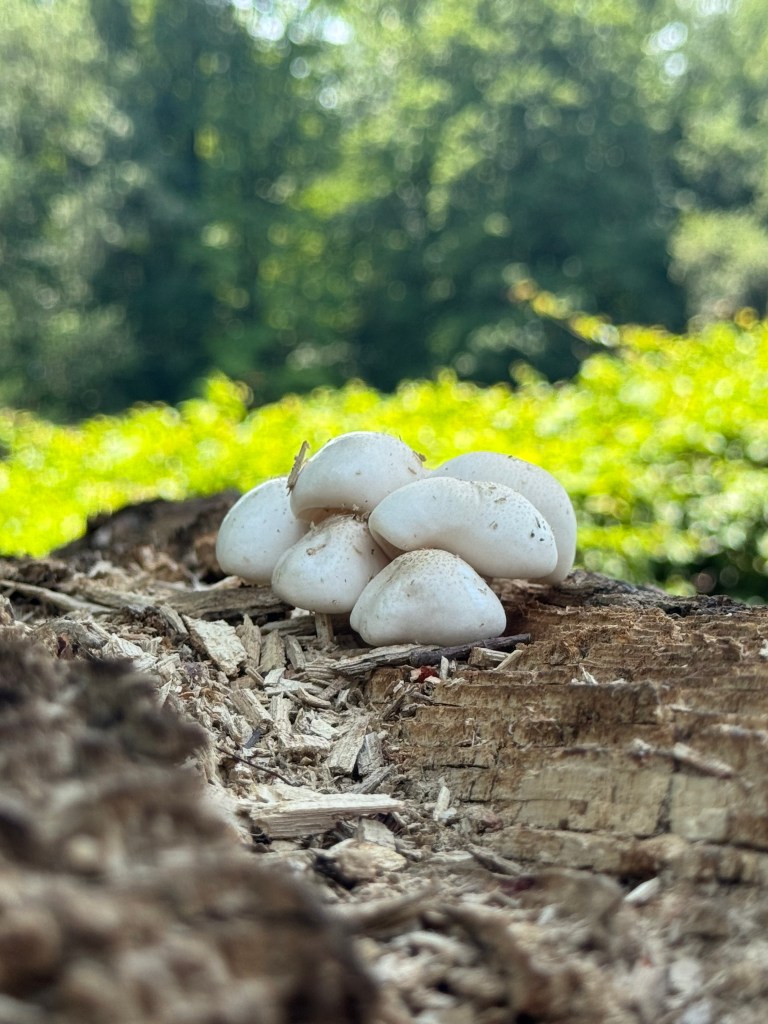
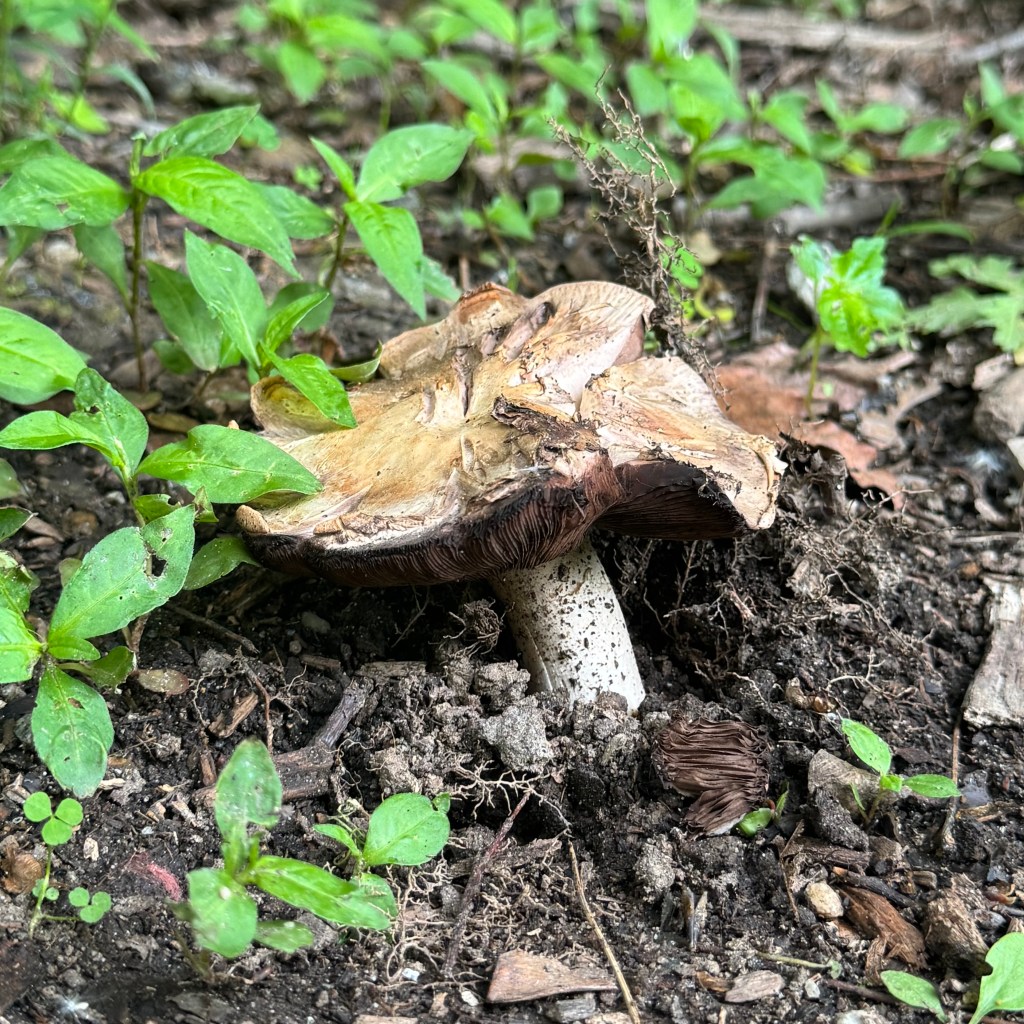
    It’s a funny title, “nature reporter.” Sounds official, maybe even a little dramatic. But really, all it means is that I take my phone, a notebook, and my curiosity, and try to capture whatever’s happening at Sheldrake Environmental Center – through photos, facts, and little stories for their social media. A dragonfly balancing on a reed. Mushrooms that popped up overnight after a storm. A robin that just won’t leave the blueberry bush alone. I snap pictures, jot down notes, ask questions, and later help turn that into posts people might scroll through while sipping coffee.

    I’ve been calling the series Through My Lens: Sheldrake in Focus – because that’s what it is. Not just a collection of nature shots, but a window into the way I’m learning to see this place and everything that lives in it. If you want to check out some of the posts I’ve written, they’re up on Sheldrake’s social media pages, linked here:
    📸 Instagram
    📘 Facebook

    At first, I felt like I had no idea what I was doing. I love nature, sure, but who was I to write about it? What if I called something the wrong species? What if no one cared about the tiny beetle I found on a milkweed leaf?

    But I kept going back. And soon, I started to see things differently.

    There’s a quiet magic to watching a space change week to week. The way the pond shrinks after a dry spell. The soft yellow of goldenrod slowly taking over the meadow. I began learning the names of things – like cattails, jewelweed, and tree swallows – and with the names came this weird sense of connection, like I was greeting familiar neighbors.

    I’ve always loved taking pictures, but this summer pushed me to slow down and look closer. I started crouching in the mud for the perfect angle or waiting ten minutes just to catch a butterfly with its wings open. And the more I looked, the more I wanted to understand – not just what something was, but what it did, how it fit into the bigger picture, why it mattered.

    And I think that’s what I’ve come to appreciate most about this whole experience – it made me realize that storytelling isn’t just about people. It’s about ecosystems too. When I post about an eastern box turtle or a blooming patch of Joe Pye weed, I’m telling a story about that specific moment in time, but I’m also inviting people to care. To notice. Maybe even to visit and see it for themselves.

    The funny part is, I thought I was just helping out – volunteering for a nature center I remembered from field trips in elementary school. But somehow, through field guides and Instagram captions and muddy shoes, I started feeling more grounded. Like I was part of something a little bigger than myself.

    I still don’t always know the names of everything I see. And I still get nervous that what I write isn’t “scientific” enough. But I think there’s a kind of power in that – in learning out loud, in being honest about curiosity.

    Because maybe the best way to protect something is to first learn how to see it.

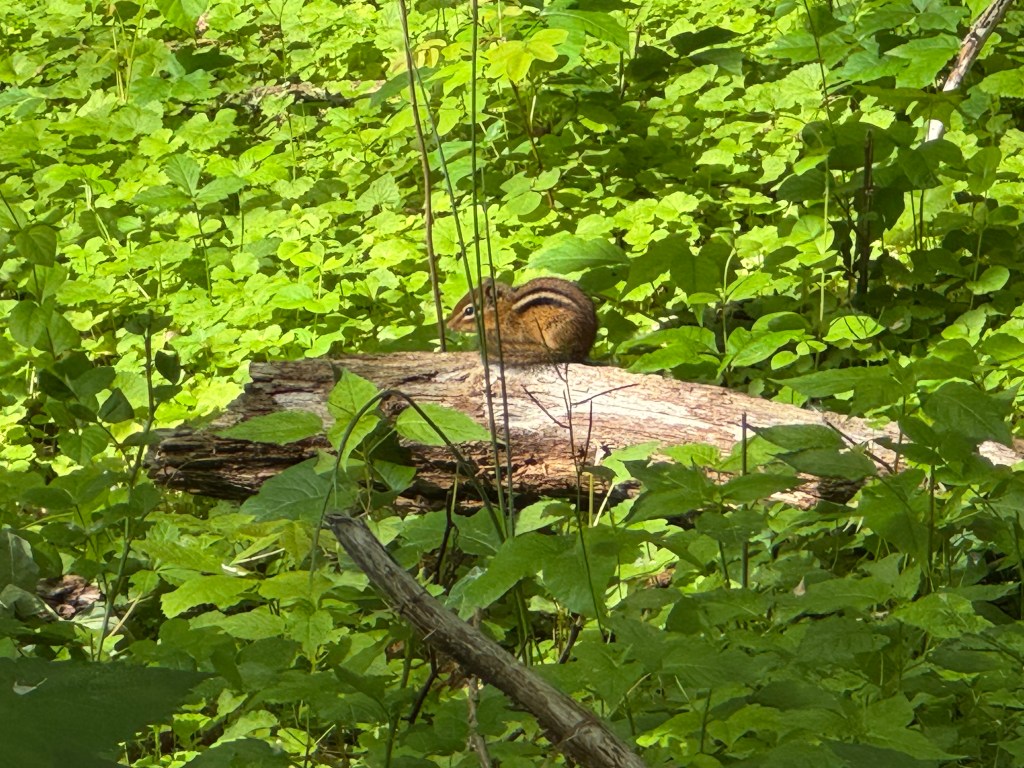
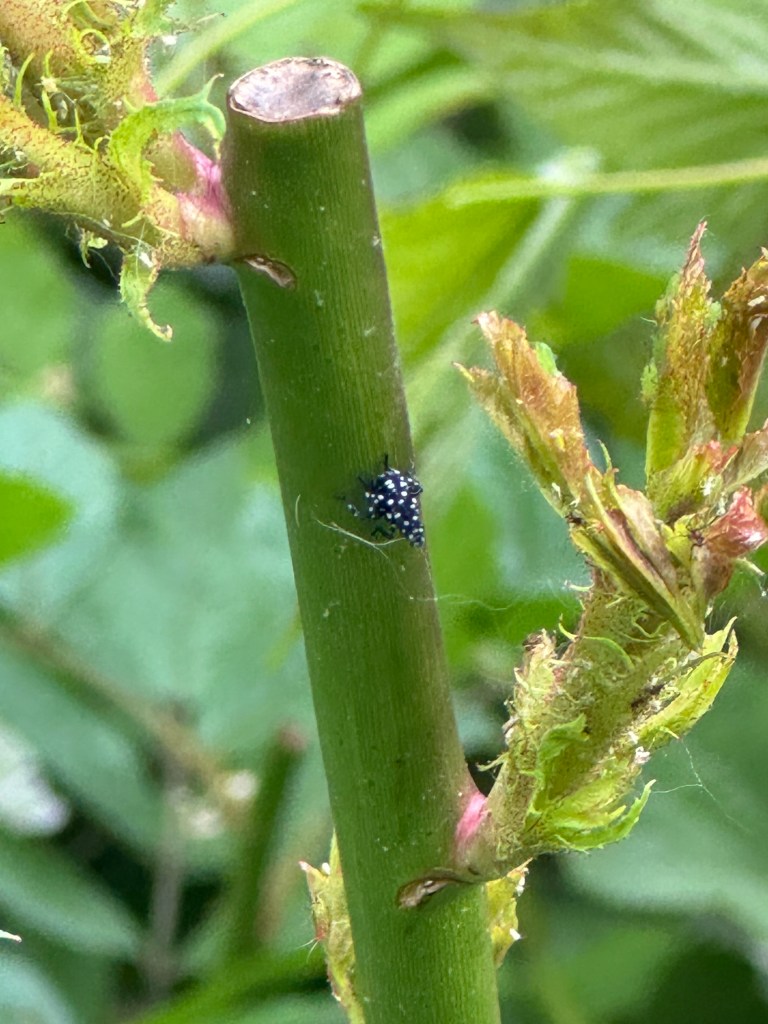
    Above are some pictures I took in the past few weeks that you can learn more about on Sheldrake’s socials!

  • The last couple of weeks have been a blur, and to be completely honest, I can’t believe how much I have learned and accomplished in this time. It feels like everything I have been working towards, both in Project Green and beyond, is starting to build into something much bigger. I have taken a leap into different responsibilities and participated in events at which entirely changed my perspective on everything. This has been one of the most exciting seasons yet. Sometimes it is a little overwhelming, but more than anything it is honestly super inspiring to see everything coming together and realizing I am another positive change-maker in my community.

    One of the coolest updates is that I was elected Treasurer of Project Green! I feel like this is a significant upgrade for me and am excited to embrace the new challenge. As Treasurer, I will be responsible for all the finances for the club, something I’ve never done before but I am excited to learn. I already have some ideas about how we can fund our club’s compostable cup initiative. This is one of the major undertakings we have been working on as a club, which is to replace plastic water bottles with compostable cups. Now I get to be a part of the process to administer the funding behind the initiative. I think it’s going to work out well, and I will be able to learn how to manage a budget and develop ideas on how we will fund projects like these.

    And in regard to that compostable cup program, it’s been going quite well! Recently, our club went to a school board meeting where data was shared regarding the success of our initiative and the outcome reports were very promising. The report showed that we had actually been able to reduce plastic water bottle sales at our school. It is really gratifying to see positive impact from an effort we started. The evidence we are going to show how seemingly insignificant adjustments to the way we do things can influence behavior change, including providing just another option rather than plastic. This gives me more energy to continue onward and look at ways to cut back, and get more of the community engaged in being mindful in reducing waste.

    This past Tuesday, April 22 was Earth Day, and it felt like a big milestone for me. As part of Project Green, we were at an Earth Day Expo at our local library and it was one of those days where everything just fell into place. We had a booth and presented our compostable cup project, showcased what we’ve done, and taught folks about how composting can be a very effective, low-barrier waste diversion option. It felt really powerful to see people get excited about what we’re doing and it was exciting to realize that there is a lot of momentum behind something that seems like one of many components to big solutions. And then the best part was interacting with other local organizations who were there! I learned about all kinds of different sustainability projects, from sustainable transportation solutions to ideas for making gardening more sustainable. I even met a guy who runs a nonprofit which supports sustainable gardening practices and he is looking for volunteers this summer – I am strongly considering signing up! It is all about expanding my knowledge and skills and it was very inspiring to meet people doing such amazing work.

    To make things just a little bit more exciting, New York Congressman George Latimer and our Mayor were both at the expo too! It was actually pretty surreal to be part of an event where local leaders were showing up to support sustainability, and it again reinforced my sense that the work we’re doing with Project Green is well within a more significant movement. Their participation in the event reinforced the significance of this kind of work and the ability of grassroots efforts to be impactful if we’re supported by our local leaders.

    In addition to hosting the expo we also had a children’s Earth Day reading event at the library where we read books like The Lorax and had a discussion with the kids about why it is important to be kind to the environment. What I loved about this event was how we made sustainability something that was fun, realistic, and approachable to the kids. We weren’t just giving them information but were using storytelling to excite their imaginations and get them to think about how they could make a difference in their daily lives. To be honest, it was pretty refreshing to work with the kids. They were so curious and many of the questions they asked are ones I had not even thought of! The parents were really happy about what we were doing, and some said they wanted to attend more events in the future. We are even considering creating a website, if not a email list for Project Green, so that families can sign up if they want to be updated on all of our future projects. So this is something we will definitely be working on in the not too distant future.

    Looking ahead, we have another nature center event in a week, and I am very thrilled about it! The event will be a kids’ workshop, where the kids will make their own compostable plant cups. The kids will have an engaging tactile experience, and be able to get their little fingers dirty, while learning about the value of composting and sustainability at a younger age. I am excited to do this because they express a lot of joy and I trust that this will be very special for everyone involved. Once the event happens, I will update the blog on how it went and what we accomplished, but at this moment, I am simply eager to share an opportunity to engage younger kids towards protecting the environment!

    As a personal interest, I recently became a volunteer at our local environmental center a few times a month. My primary responsibility is to take pictures of the different flora and fauna on the center grounds and do slightly more research on what I’m taking pictures of. It really has been so rewarding to be outside exploring the natural environment and learning more about the species that inhabit it. After taking my pictures I simply send them along with research notes, and they’re published on the center’s website. It is honestly such a straightforward and fulfilling contribution, and I’m learning so much about local ecosystems. The volunteering has also provided me with an appreciation for how important it is to save the natural areas right in our own backyard.

    I have also started doing research, in conjunction with the TOPS SCHOOL Open Science Team. I have joined a Working Group for Disaster Damage Assessment related to the Maui flood disaster from January 2021. This group has been tasked with taking the satellite and drone images from this event and compiling in a lesson format that is useful for others to use and uploaded to the TOPS website for others. The focus is to quantify the damage from the disaster and then visualizing and presenting the data, using maps and graphs, so the general public can understand the impacts of this disaster. I am learning a considerable amount about how data science can be used concerning environmental issues and how technology can be utilized to build understanding around catastrophic events. This is a whole new world for me and I am excited to see how this project develops.

    With Project Green, volunteering, and working on research with TOPS, I feel like I’m keeping a lot of balls in the air related to sustainability. Nonetheless, it is all very satisfying. I am learning that sustainability is not just one thing; it is community action, education of others, and using technology to produce even greater impacts. It is a broad field with lots of opportunities, and I am excited to see where I go from here. There is one big lesson I have learned recently, however, and that is that little actions matter, and when we come together, we can create big changes.