It’s been a while since I’ve written here.
The start of junior year arrived like a tidal wave – standardized test prep, harder classes, college talk starting to hum in the background – everything suddenly felt louder, faster, closer. I’ve been tired. I’ve been overwhelmed. I’ve been trying to find my footing in the middle of it all. But even as life got hectic, the work that grounds me – sustainability – hasn’t faded into the background. If anything, this year has only deepened my sense of purpose.
Project Green – Back to Work
Project Green is off to a strong start – we’ve actually had a lot of new members join, which feels really energizing. We’re planning another library reading event for younger students – something joyful. This time, though, we want it to feel more hands-on. We’re thinking of setting up a little coloring station with that can relate to something we’re reading about – something simple and tactile that lets kids engage rather than just listen. There’s something grounding about crayons and quiet conversation; it makes sustainability feel less like a lesson and more like a shared experience.
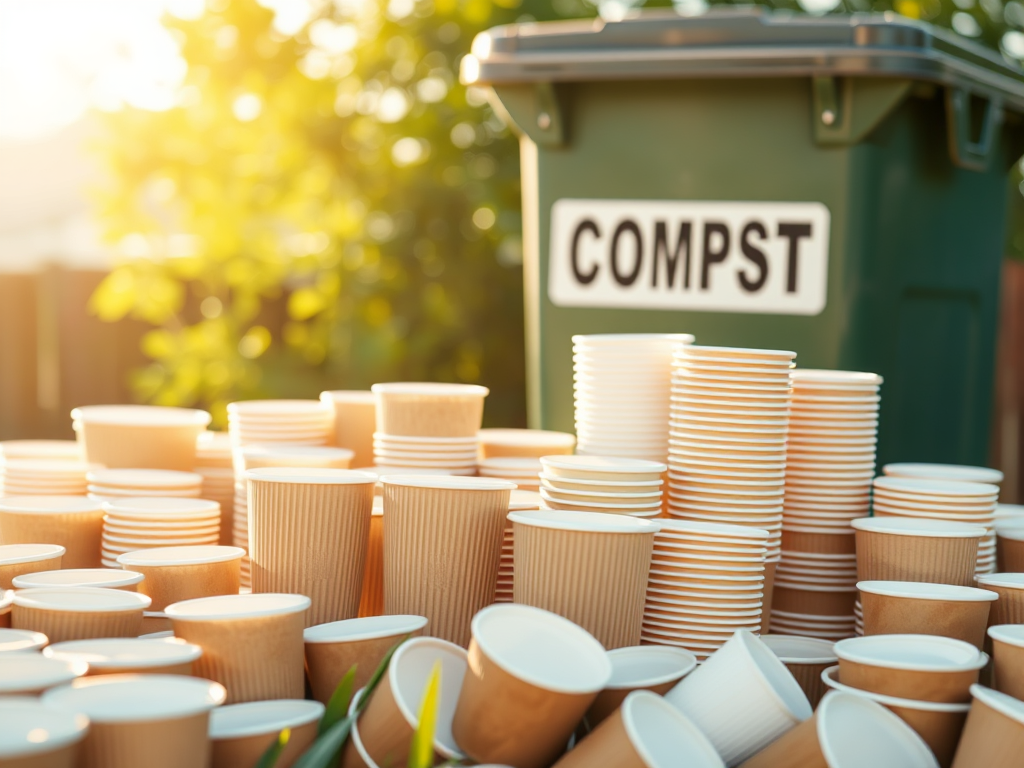
Our compostable cups initiative has also continued to grow. Last year, we pushed for compostable cups for the water fountains after realizing how much single-use waste piles up in a day. Now, we’re working on expanding student awareness: Yes, the cups are compostable – but only if they’re actually composted.
On Global Citizenship Day, we presented to multiple classes about what our club does, why compostables matter, and what climate change means on a personal scale. We wanted the presentation to be more than just talking at people, so we ended each session with an interactive Gimkit game. It was genuinely fun – the kind of loud, competitive, laughing type of fun that makes you forget you’re “learning.” But in those moments, students were actually recalling what we had just discussed – sorting compost vs. landfill items, understanding why compostables need proper disposal, thinking about personal sustainability habits. It turned into a huge success because the game didn’t just test knowledge – it helped the information stick.
New Voices, Bigger Conversations
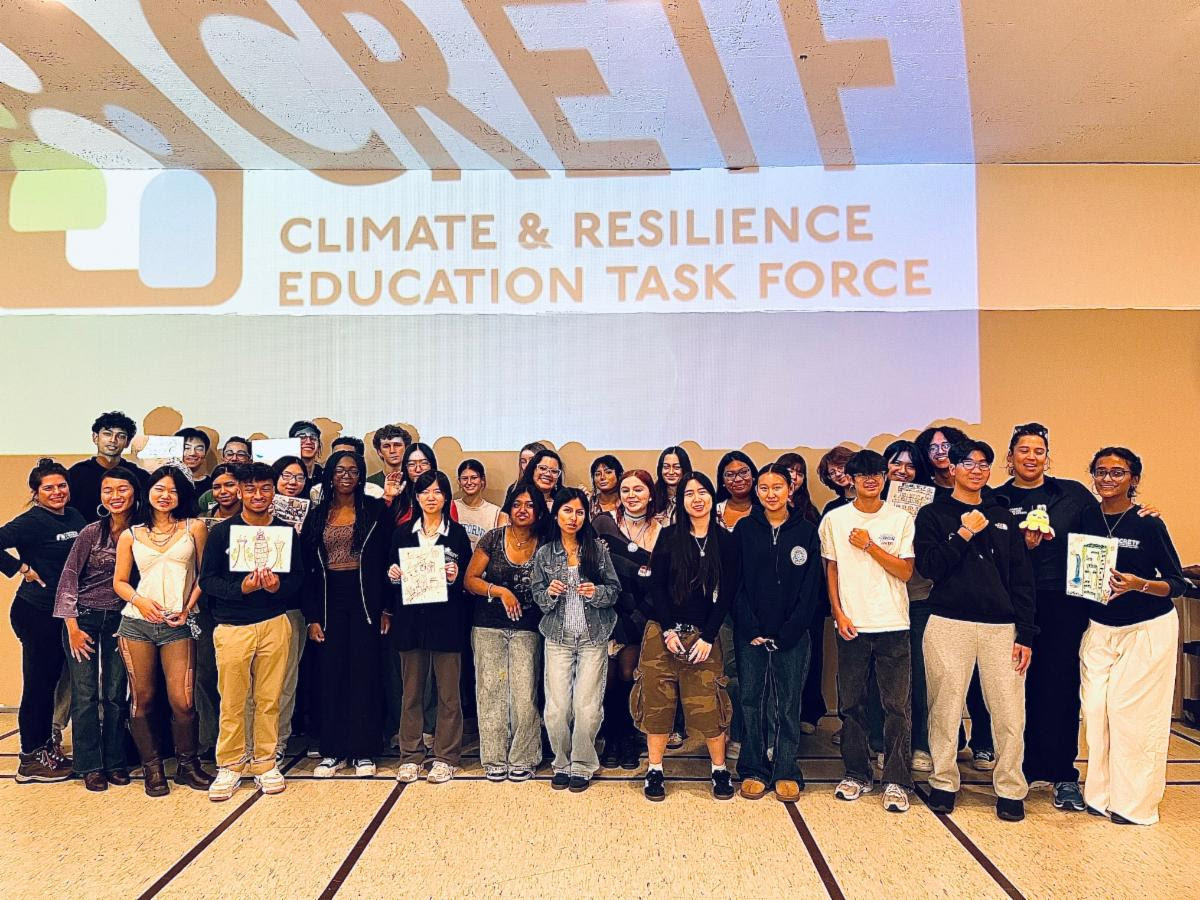
This fall, I also joined CRETF’s (Climate and Resilience Education Task Force) Youth Steering Committee – a state-wide program bringing together students who care about sustainability and climate resilience. Our launch meeting was in person – which I’m really grateful for – because it gave me the chance to meet other students who care about climate work as much as I do. There was something reassuring in realizing I’m not doing this alone; there are other people my age who worry and are passionate about the same things that I am. The rest of the sessions will be online, so that first meeting felt especially meaningful – faces, voices, & laughter. It made the whole thing feel less like a program and more like a community.
Our second session focused on defining our “climate identities.”
Who are we in this movement?
Where do we come from?
Why do we care?
We also talked about policy, politics, and how local elections – even something like the New York City mayoral race – ripple into real lives. These conversations made climate work feel less abstract and more human. Climate change isn’t just science – it’s memory, identity, and what we choose to fight for.
Learning From My Town
In September, I went to my town’s Sustainability Collaborative meeting. It was… a lot. Policy plans, funding, sanitation issues, tree canopy restoration, EV chargers, flood management. But beneath all the details, the conversations kept coming back to one idea:
How do we create a community that is livable, resilient, and fair – not just now, but decades from now?
I shared that the Collaborative’s website, while informative, wasn’t reaching people – especially students. I suggested making it bolder, more visual, more action-oriented. Something that doesn’t just inform, but invites. The adults in the room didn’t just nod politely – they genuinely listened.
That surprised me. And encouraged me.
A School Behind the Scenes
Lastly, I met with our school’s facilities team to talk about how students and staff could collaborate more closely. One thing we discussed was how students, especially those in Project Green, could be more involved in the sustainability work happening behind the scenes. A lot of people don’t realize how many small, invisible decisions go into keeping the school running – reducing water usage, adjusting heating schedules, managing flooding around the building, tracking energy consumption. We talked about finding ways for students to actually see this work – through walkthroughs, shared data, or even student-led awareness projects – so sustainability doesn’t feel like something happening somewhere else, but something that students are directly connected to and responsible for. It made me realize that climate work at school isn’t just about new programs – it’s also about opening the door for students to participate in the systems that already exist.
Engineers are adjusting drainage paths, studying runoff patterns, planning long-term fixes. And alongside all of that, we are working with Cenergistic, which has helped the district cut energy use – lowering emissions equivalent to over 483 metric tons of CO₂ and saving enough energy to power 172 homes for a year.
There’s this whole world of invisible labor, happening quietly behind the scenes, making our daily routine possible. I didn’t know that. Now I do. And I think more students should, too.
Still Here
I won’t pretend I have perfect balance figured out. I still get extremely tired. At times, I feel like the world is collapsing onto me – I still feel like I’m doing too much and not enough at the same time.
But every conversation, whoever it may be with or involve, reminds me that sustainability is not a hobby or a club activity. It’s a lens. A way of living. A way of paying attention.
Even in the chaos of junior year, I don’t feel like I’ve let that part of me go.
If anything – I’ve grown into it more.
 Unwrapped Earth
Leave a comment