Last week, I walked into my first-ever meeting of my town’s Sustainability Collaborative. I’d been orbiting around this group for a while – back in the spring, I reached out to the chair of the collaborative and basically asked, “Hey, I want to be more involved in our town’s sustainability efforts. Where do I start?” That email eventually landed me here, in a room full of people who have been working on sustainability issues in our community for years.
It was a bit surreal. These weren’t just volunteers planting flowers on the weekend (though that’s important too) – they were the ones figuring out how to get state-level recognition for the town, how to replace outdated infrastructure with cleaner, greener options, how to weave sustainability into housing plans, transportation, and public spaces. The kind of work that quietly shapes the way we live, without most people ever realizing it’s happening.
Right now, the big news is that our town has reached Silver status in New York State’s Climate Smart Communities program. That’s kind of like the environmental Olympics, but instead of medals for speed or strength, you get them for things like reducing emissions, protecting green space, and building climate resilience. Silver means we’re officially doing a lot right – and it also gives us a better shot at grants and funding for future projects. They’re saving the press release for September, when they plan to invite the NYS DEC Commissioner to celebrate.
But the meeting wasn’t just about patting ourselves on the back. People were throwing out ideas for many things: how to make it easier for residents to get updates on sustainability efforts, how to better enforce existing environmental rules, how to tackle long-standing noise and pollution problems in certain areas. Every topic seemed to have a mix of quick fixes and big-picture solutions.
Some of the conversations looked far into the future – reimagining old spaces to be cleaner and more functional, making town centers more walkable and community-oriented, and finding creative ways to connect climate goals with everyday life. It felt like every discussion had these threads of possibility – the kind of ideas that, if carried through, could make the town feel totally different in ten years.
The big, forward-looking topics:
- What should we do with the land once our town’s old incinerator is demolished? Could it become a solar hub?
- How can we rethink a main road to make it more walkable and friendly for mixed-use development?
- Could the town park be expanded, while also fixing local flooding and creating new housing options?
I even got introduced during the meeting: a high school student, member of the Project Green Club, writer for Sheldrake Environmental Center, and someone interested in how sustainability and technology (even AI!) can work together. I had talked with their chair of the collaborative about another initiative involved with Sheldrake, since I already volunteer there: about possibly updating an old “Walk Book” guide for Sheldrake’s trails and native plants and wildlife – which feels like a perfect collision of my interests.
What really struck me was how many moving parts there are in making a town more sustainable. It’s not just “plant more trees” or “install solar panels” – it’s balancing budgets, updating decades-old infrastructure, convincing state agencies to help, getting residents to actually read the emails you send them. It’s messy, layered, and surprisingly human.
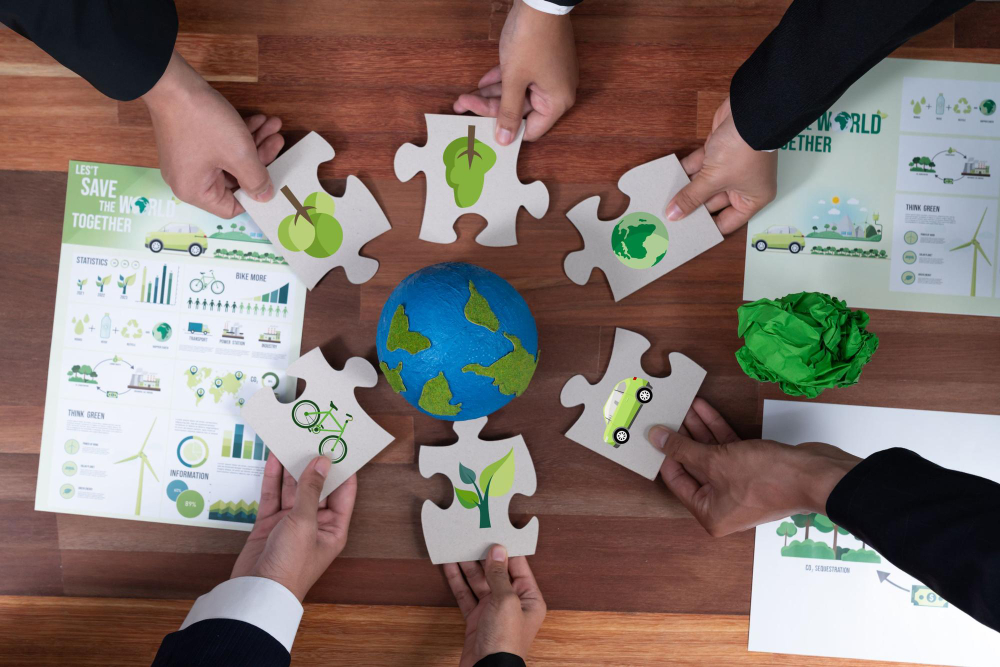
By the time the meeting wrapped up, I realized this wasn’t just a room full of local officials and volunteers – it was a kind of ecosystem, each person with their own piece of the puzzle, all working toward the same idea: a town that’s healthier, greener, and better for everyone who lives here.
And now… I guess I’m part of that ecosystem too.
 Unwrapped Earth
Leave a comment