
There’s something oddly satisfying about a good case study – digging into a problem, tracing the solution, realizing it’s kinda genius (or kinda flawed), and then sitting in a group and arguing about it in the most respectful academic way possible. That was a big part of my experience in the Columbia Precollege program taught by Dr. Nicola Barratt I attended these past few weeks, and honestly, it surprised me how much I liked it. Not just presenting my own projects, but hearing about everyone else’s. The energy in those discussions? Weirdly electric.
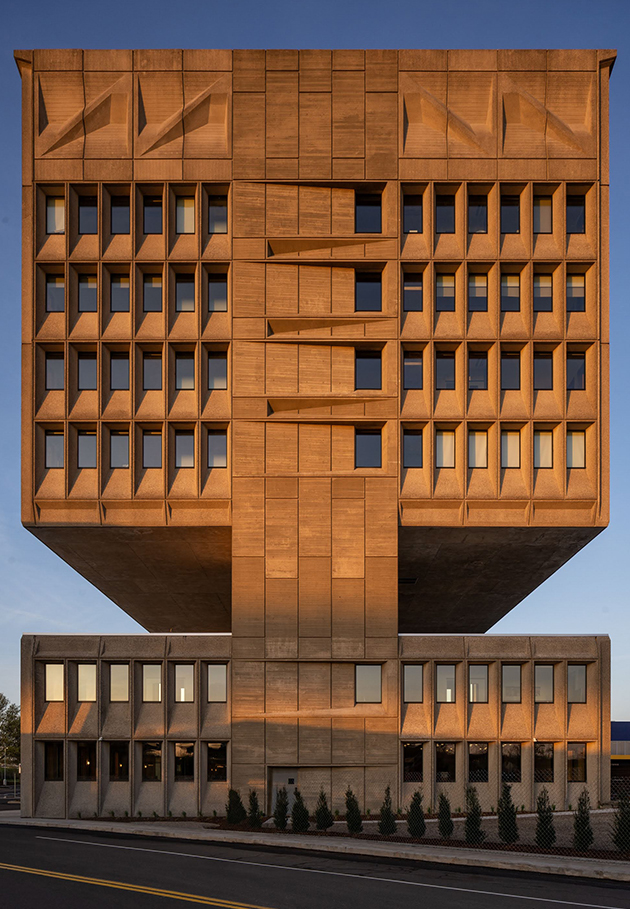
My first case study was on Hotel Marcel, the first net-zero hotel in the U.S., and it felt like starting strong. I mean, this place is solar-powered everything, repurposed from an old brutalist building, and run on clean energy. It doesn’t even have a gas line. The more I learned, the more I realized how sustainable design could look sleek and smart – not just “eco.” Comparing it with stuff like The Edge in Amsterdam and even a whole city like Curitiba really showed me the scale of what’s possible. A building. A block. A whole city. It made me think about design choices not as compromises, but opportunities.
Week 2 was all about water, food, and air, so I went with sustainable paper production, which… sounds boring at first. But then you realize how many trees we kill, how many habitats we destroy, just so we can write math homework or print out flyers we throw away two hours later. I looked into using FSC-certified wood and tree-free materials like hemp and bamboo. It was all about how changing materials and methods could change the whole game for ecosystems and emissions. Tree-free paper: who knew?
But here’s where it got interesting. Other groups presented on stuff like New York City’s water supply, Love Canal, vertical farming, factory farming, and even mushrooms as meat (I know, it’s a vibe). Each one had this unique angle:
- NYC’s water system is over a century old and still delivers water to 8+ million people, which is wild. But it leaks – a lot.
- Love Canal was like an environmental horror story turned into a rallying cry for grassroots action and better policies.
- Vertical farming looked futuristic and efficient, though super expensive.
- Mushroom meat had everyone lowkey craving fungi burgers.
- And factory farming reminded us that behind the cheap bacon is a laundry list of diseases, emissions, and ethical messes.
Compared to those, my paper project felt like the “quiet kid” – not flashy, but steady. It wasn’t fighting wildfires or rebuilding an aqueduct, but it had this subtle importance. Like, changing the way we produce something so basic as paper affects forests, animals, and air quality without needing billion-dollar tech or government emergencies. Low drama, high impact.
Then came week 3. ALERTCalifornia – my final case study – was pure sci-fi turned real. AI cameras scanning the forests of California to detect wildfires before they blow up into disasters. It’s proactive, smart, and honestly kind of beautiful. Saving lives and ecosystems with data? Count me in.
What made this one feel even more personal was the fact that this wasn’t my first time diving into AI for good. If you recall, last summer I did a program at Fordham that was kind of like this Columbia one – but focused entirely on how AI could be used to benefit society. My project back then? Using AI to detect sea level rise around NYC and how that data could help prepare the city for flooding. So working on ALERTCalifornia this year felt like picking up where I left off, but with even more urgency.
Since that Fordham program, I’ve found myself getting more and more into the idea of using technology – not just for convenience or cool gadgets – but to actually solve real-world problems. Especially environmental ones. Whether it’s smarter energy systems, wildfire prevention, or cleaner cities, I’ve started to realize that AI isn’t just a tool – it’s a bridge. Between science and people. Between problems and solutions. Between now and what’s possible.
That week, other groups shared projects on things like green infrastructure, Mississippi River Delta restoration, and sustainable fishing. Some had huge budgets (like $50 billion), others had trade-offs that made my brain hurt. One helped cities breathe easier but risked gentrifying neighborhoods. Another promised cleaner fishing but left communities struggling with stricter rules.
What I’ve realized from all this is: there’s no perfect solution. Every “yes” comes with a “but.” Every win for the planet can be a loss for people – or at least, some people. It’s all about balance.
So if Hotel Marcel taught me that sustainable design is possible, and paper production showed me that the little things matter, ALERTCalifornia – and the AI projects I’ve been exploring since last summer – made it clear: tech is a tool. But humans still drive the outcome.
Looking back, I’m glad I got to explore such different issues. From hotels to hemp, from fires to fungi, I’ve seen how messy and amazing this work is. And I’ve seen how all of it – very policy, plant, or platform – comes down to the same question:
How can we live better with the world around us?
Still figuring it out. But this summer gave me a few more clues.

 Unwrapped Earth
Leave a comment